Addressing water intrusion quickly is paramount for any property owner in Dallas, Texas. When unexpected water enters a home or business, whether from a burst pipe, a leaking appliance, or severe weather events common to the region, prompt and effective Water Extraction Dallas TX services become absolutely critical. Standing water, even in small amounts, can rapidly lead to significant damage, affecting structural integrity, promoting hazardous mold growth, and compromising indoor air quality. Ignoring or delaying professional water extraction can transform a manageable problem into a costly and complex restoration project, impacting not just the building’s physical state but also the health and safety of its occupants. Professional teams understand the unique challenges faced by Dallas properties and employ specialized methods to remove water thoroughly, preventing further deterioration and setting the stage for effective drying and restoration.
Understanding Water Damage: More Than Just a Puddle
Water damage presents itself in various forms, each carrying different levels of risk and requiring specific handling. Professionals categorize water intrusion into three main types: clean water, gray water, and black water. Clean water originates from sanitary sources, such as a broken water supply line or overflowing sink, and while initially harmless, it can quickly degrade if not addressed. Gray water contains contaminants, often coming from washing machines, dishwashers, or showers, and can cause illness if ingested. Black water is highly unsanitary, carrying harmful bacteria and pathogens from sources like sewage backups or floodwaters, posing severe health risks. Each category demands a distinct approach to extraction, cleaning, and sanitization to ensure the safety of the property and its inhabitants. Understanding these distinctions is fundamental to applying the correct restoration protocols and effectively mitigating health hazards and property damage.
The Critical Role of Rapid Response in Water Extraction
Time is a crucial factor when dealing with water damage. The longer water sits, the more extensive and severe the damage becomes. Within hours, water begins to absorb into porous materials like drywall, wood, and carpet, causing them to swell, warp, and weaken. Within 24 to 48 hours, the conditions become ideal for mold and mildew to start growing, which can spread rapidly and pose significant health concerns, particularly for individuals with respiratory issues. Structural elements, such as wooden beams and subflooring, can begin to deteriorate, compromising the stability of the building. Furnishings, electronics, and personal belongings also suffer irreversible damage the longer they remain exposed to moisture. A swift response from a professional water extraction team minimizes these devastating effects by removing water before it can inflict deeper, more permanent damage, thereby preserving property value and occupant well-being.
The Professional Water Extraction Process: A Step-by-Step Guide
Professional water extraction involves a systematic approach that ensures thorough water removal and prepares the affected area for complete drying and restoration. This detailed process moves beyond simple cleanup, focusing on comprehensive mitigation to protect property health and prevent long-term issues. Each step is carefully executed by skilled technicians who understand the complexities of water damage and employ advanced techniques and equipment to achieve optimal results. This structured methodology is designed to address every aspect of water intrusion, from initial assessment to final verification, ensuring no hidden moisture remains to cause future problems. The goal is to return the affected Dallas property to its pre-damage condition efficiently and effectively, minimizing disruption for residents and businesses.
Initial Assessment and Safety Protocols
The first critical step in any water extraction scenario is a thorough initial assessment. Upon arrival at a Dallas property, technicians first prioritize safety by identifying and addressing potential hazards, such as electrical risks or contaminated water sources. They carefully inspect the entire affected area, using specialized moisture detection equipment to pinpoint all areas where water has penetrated, including hidden pockets within walls, floors, and ceilings. This comprehensive evaluation helps to determine the category of water damage, the scope of the damage, and the most effective plan of action. Understanding the extent of the water intrusion is essential for developing a precise strategy that ensures all affected materials are identified and treated appropriately, preventing overlooked moisture from causing secondary issues.
Powerful Water Removal Techniques
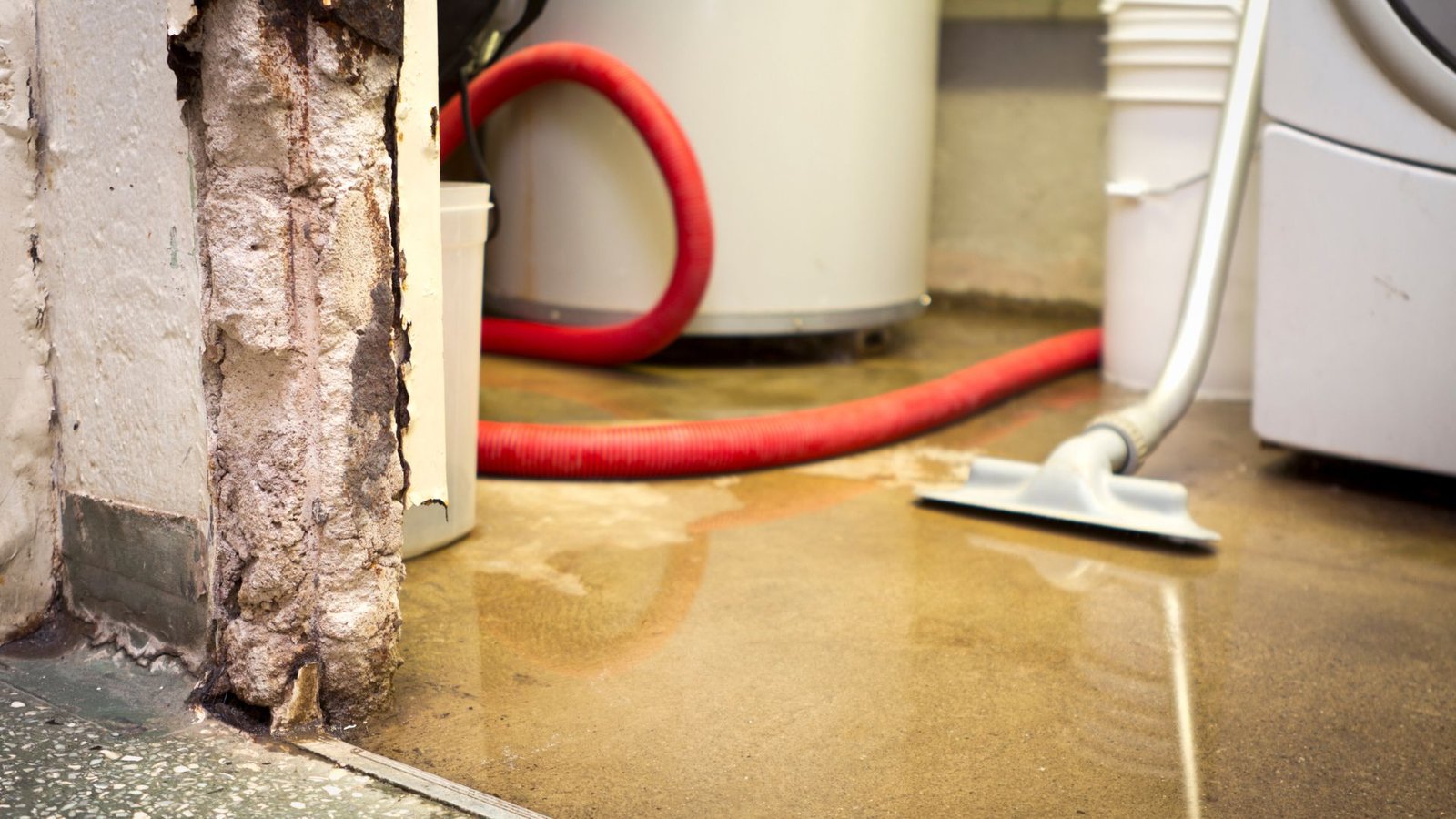
Once the assessment is complete, the team moves to the actual water removal phase. This step employs powerful, industrial-grade equipment designed to extract large volumes of water quickly and efficiently. High-capacity submersible pumps are used to remove standing water from basements, crawl spaces, or flooded rooms. For water embedded in carpets, padding, and upholstery, powerful truck-mounted or portable extraction units draw out moisture with significant suction. Specialized wet vacuums and extractors are also utilized for hard-to-reach areas and delicate surfaces, ensuring that as much water as possible is physically removed from the property. This aggressive approach to water removal is crucial for reducing drying times and preventing the deep saturation that leads to extensive material damage and mold growth.
Drying and Dehumidification Strategies
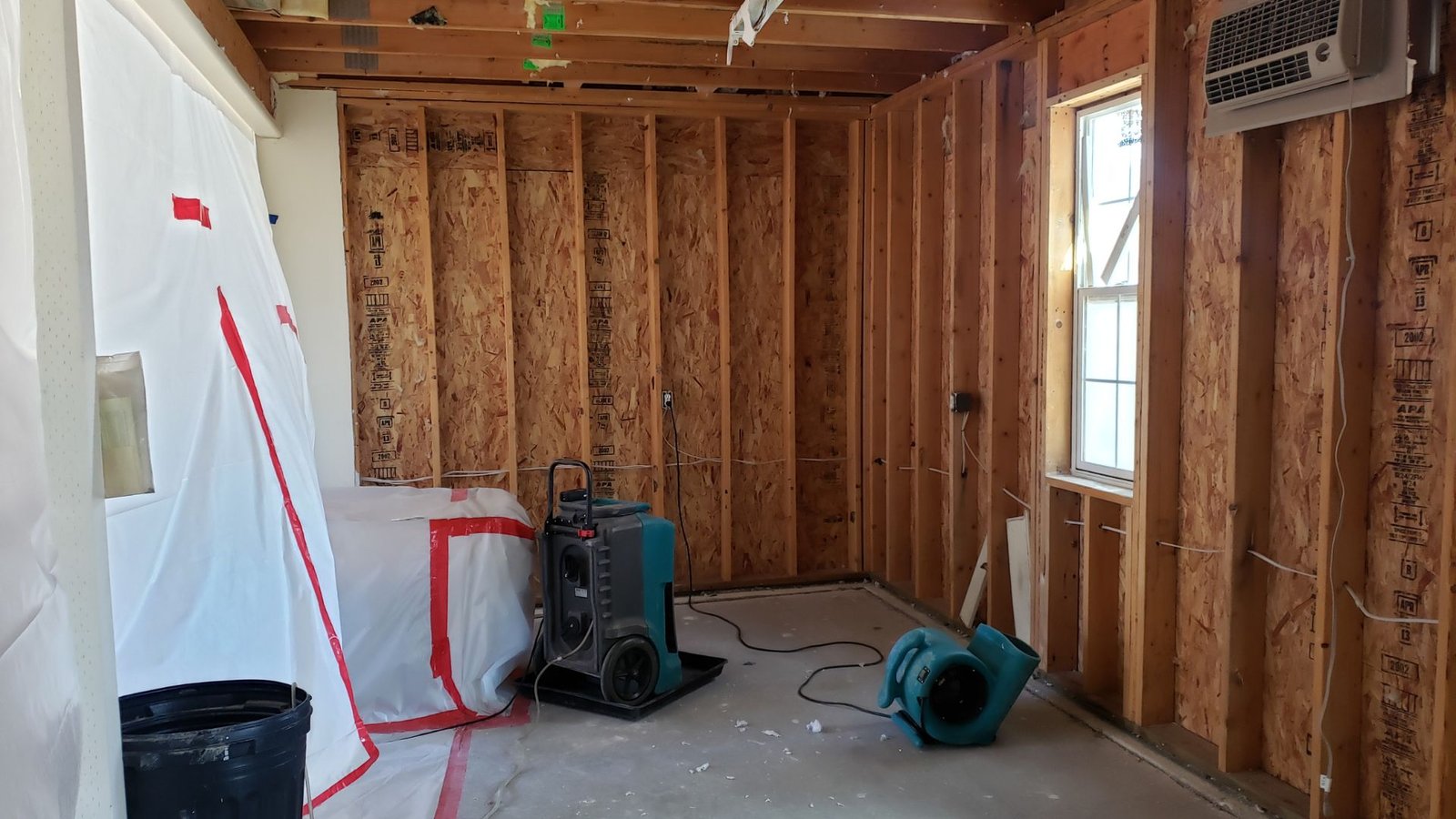
After the bulk of the water is extracted, the focus shifts to thoroughly drying the remaining moisture from materials and the air. This phase involves a strategic deployment of advanced drying equipment. High-velocity air movers are positioned to create a dynamic airflow across wet surfaces, accelerating evaporation. Concurrently, commercial-grade dehumidifiers are used to pull moisture from the air, preventing it from re-saturating materials and creating a controlled drying environment. The specific type and number of drying units depend on the size of the affected area, the type of materials, and the humidity levels. This controlled drying process is vital because simply removing visible water is not enough; hidden moisture can persist, leading to structural damage, warping, and the ideal conditions for mold to flourish if not properly addressed.
Cleaning and Sanitization
Following water extraction and initial drying, cleaning and sanitization become paramount, especially when dealing with gray or black water contamination. This step involves carefully cleaning all salvageable items and surfaces to remove dirt, debris, and potential contaminants. Technicians use professional-grade antimicrobial treatments to thoroughly sanitize affected areas, effectively eliminating bacteria, viruses, and other harmful microorganisms that can thrive in damp environments. This comprehensive sanitization process is crucial for preventing the spread of disease and eradicating unpleasant odors that often accompany water damage. The goal is to restore the property to a safe and hygienic condition, ensuring that all health concerns are addressed and the indoor environment is clean and fresh for its occupants.
Monitoring and Verification
The final, yet equally important, stage of the professional water extraction process involves continuous monitoring and verification of drying progress. Technicians use specialized moisture meters, thermal imaging cameras, and hygrometers to accurately measure moisture levels in affected materials and the surrounding air. These tools allow the team to track the drying process precisely, ensuring that all materials are dried to their pre-damage moisture content levels. This meticulous monitoring helps prevent premature cessation of drying, which could leave hidden moisture behind and lead to future problems like mold growth or structural issues. Only when all areas are confirmed to be thoroughly dry and stable is the water extraction and drying process considered complete, providing peace of mind to property owners in Dallas.
Preventing Future Water Damage: Proactive Steps for Dallas Residents
Proactive measures are key to protecting properties in Dallas from future water damage incidents. Regular maintenance and vigilance can significantly reduce risks. Property owners should routinely inspect plumbing for leaks, paying close attention to appliance hoses, water heaters, and pipes, especially in older homes. Cleaning gutters and downspouts regularly ensures proper drainage away from the foundation, preventing water accumulation that can seep into basements or crawl spaces. Understanding the local weather patterns in Dallas, including periods of heavy rainfall or potential for freezing temperatures, allows residents to take preventative steps like insulating pipes or securing outdoor items. Educating oneself on these simple yet effective prevention strategies empowers homeowners and business operators to safeguard their investments and contribute to the overall resilience of the community.
The Impact of Water Damage on Community Well-being
Water damage, particularly when widespread after significant weather events, extends its impact beyond individual properties to affect the entire Dallas community. When numerous homes and businesses suffer from water intrusion, it can strain local resources, disrupt essential services, and even impact public health infrastructure. The collective effort to mitigate water damage through professional extraction services helps maintain the stability and vibrancy of neighborhoods. Swift and effective response prevents widespread mold issues that could affect public health, preserves community aesthetics, and supports local economic recovery by allowing businesses to reopen faster. Investing in robust water extraction capabilities contributes to a more resilient urban environment, demonstrating a commitment to protecting the collective well-being and ensuring that Dallas communities can recover and thrive, even in the face of environmental challenges.