
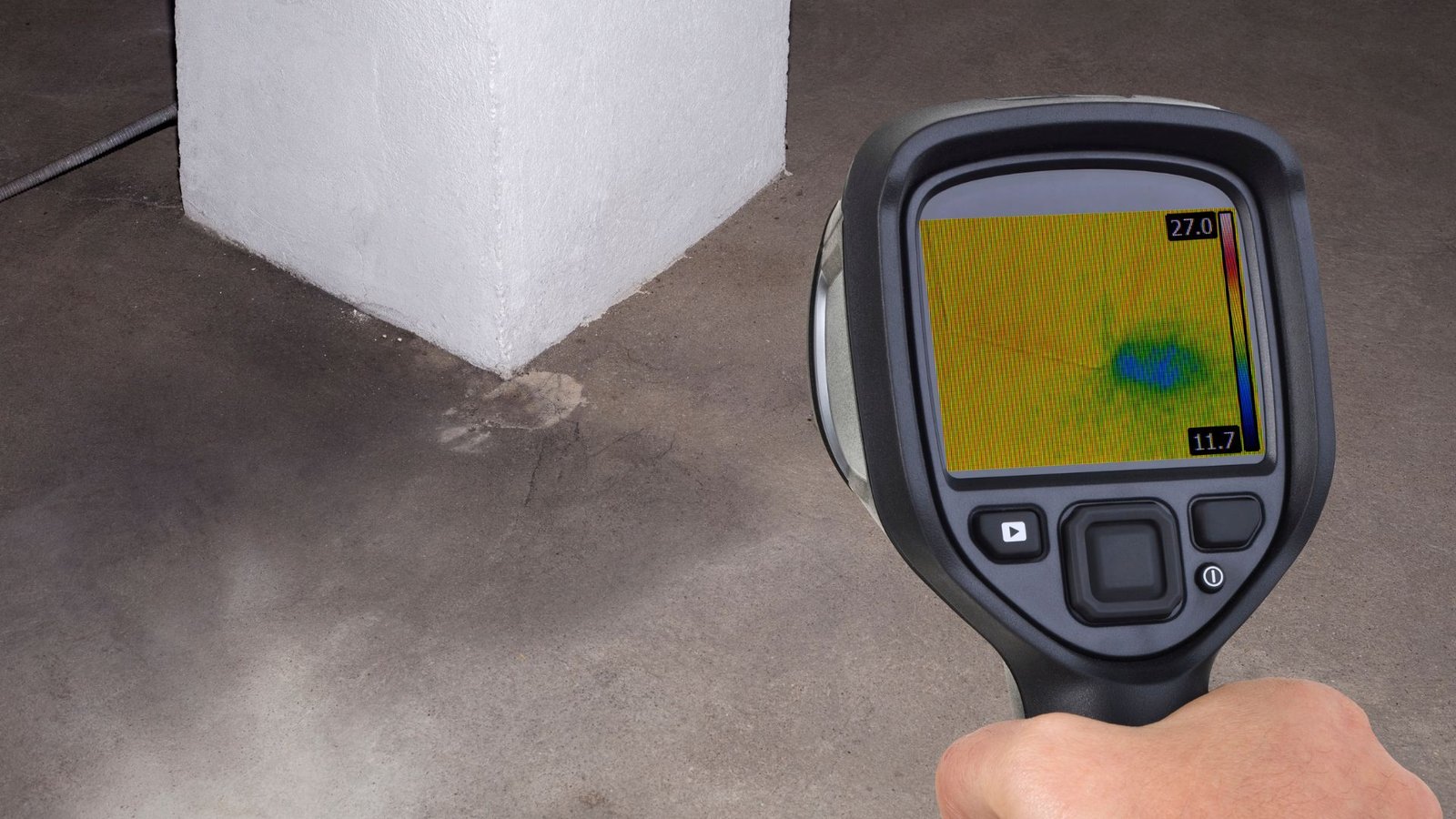
Understanding what water damage is—and the mechanisms behind it—can help homeowners and property managers take action quickly and appropriately. In this comprehensive guide, we’ll explore the basics: what water damage entails, its root causes, how it affects structures, health implications, and the key steps to address the issue effectively.
What Is Water Damage?
Water damage occurs when water intrudes into places where it shouldn’t be, compromising building materials, causing deterioration, encouraging mold growth, and even posing electrical hazards. Whether gradual—like damp spots—or sudden—such as burst pipes or flash flooding—this invasion can lead to serious property damage and health risks Wikipedia.
The Main Causes of Water Damage
Here are common scenarios that lead to water damage:
- Plumbing failures: Burst or leaking pipes, malfunctioning appliances (like water heaters, dishwashers, or washing machines), or faulty fixtures often result in water escaping where it shouldn’t WikipediaService Master RestorePuroClean.
- Storms and heavy rainfall: Sudden deluges can overwhelm drainage systems or infiltrate roofs and windows, especially in areas prone to flash flooding Service Master RestoreShare RestorationPuroClean.
- Sewage backups and groundwater intrusion: Blocked sewer lines or rising water tables can force contaminated or black water into your home Jenkins RestorationsWikipediaShare Restoration.
- Foundation or roof failures: Cracks in foundations or damaged roofs and siding may allow water to enter—even during moderate rain WikipediaService Master RestorePuroClean.
In Dallas specifically, water damage frequently stems from plumbing issues, appliance failures, flash floods, roof leaks, and foundation seepage Service Master RestorePuroClean.
Categories Matter: Clean, Gray, and Black Water
Water damage is categorized based on contamination level according to IICRC S500 standards:
- Category 1 – Clean Water: From sanitary, non-contaminated sources like supply lines or rain; poses minimal health risk Jenkins RestorationsWikipedia.
- Category 2 – Gray Water: Contains contaminants and potential pathogens, as in dishwasher or washing machine overflows Jenkins RestorationsWikipedia.
- Category 3 – Black Water: Grossly contaminated—sewage, floodwaters, groundwater—that poses serious health hazards Jenkins RestorationsWikipedia.
Why it matters: Even clean water can worsen into gray or black water if left untreated—especially after 24-48 hours—making sanitation and quick response critical Jenkins RestorationsWikipedia.
Signs of Water Damage You Shouldn’t Ignore
Early detection can save time and money. Look for:
- Discoloration or stains on walls and ceilings
- Bubbling or peeling paint or wallpaper
- Warped flooring, sagging ceilings, or musty smells
- Visible mold or mildew growth
- Soft spots or warping in drywall or wood
- Elevated humidity or condensation buildup Act EnvironmentalWikipediaTrue North Dallas.
Health Risks from Water Damage
Moist environments promote mold and bacteria growth—mold can start within 24–48 hours, especially in porous materials like drywall True North DallasWikipedia. Mold exposure is linked to respiratory issues, allergic reactions, asthma flare-ups, bronchitis, and more serious conditions, particularly for children, older adults, or immunocompromised individuals Wikipedia.
Steps to Address Water Damage
When water damage strikes, here’s a structured approach to recovery:
- Water Damage Assessment
Start by inspecting the damage to understand severity and contamination levels from clean to black water True North DallasAct Environmental. - Immediate Water Extraction
Use industrial-grade pumps, vacuums, and mops to remove standing water quickly True North Dallas. - Drying & Dehumidification
Deploy air movers, commercial fans, and dehumidifiers to eliminate moisture and prevent mold True North Dallas. - Cleaning & Sanitizing
Sanitize impacted areas, especially for gray or black water scenarios, using antimicrobial solutions and specialized equipment True North Dallas. - Repair & Restoration
Replace or repair damaged structural elements—drywall, flooring, trim—depending on severity True North Dallas. - Ongoing Monitoring
Check moisture readings and ensure thorough drying to inhibit mold regrowth.
Preventing Future Water Damage
Adopting proactive measures is key:
- Regular inspections: Check plumbing, roof, appliances, and the foundation periodically.
- Maintain good drainage: Make sure soil slopes away from your foundation and clear gutters regularly.
- Use smart tech: Install leak detectors, automatic shut-off valves, or humidity sensors to catch issues early Wikipedia.
- Stay dry: Keep indoor humidity below 50%; address any dampness within 24 hours Wikipedia.
What to Do Next
If you suspect or identify water damage, start with a trusted [Water Damage Assessment](https://emergencywaterdamagerestorationdallastx.com/water-damage-assessment/) to determine the extent and category of the damage. From there, drying, cleaning, and repairing are essential. Need help or guidance during the process? Don’t hesitate to [Contact Us](https://emergencywaterdamagerestorationdallastx.com/contact-us/)—we’d be happy to assist.
Final Thoughts
Water damage is more than an inconvenience—it’s a threat to your property’s structure, aesthetics, and your health. Understanding its causes, acting swiftly, and preventing recurrence are your best defenses. With the insights here, you’re better equipped to protect your space—and your peace of mind.


