
Water damage is one of the most destructive problems homeowners and business owners can face. From burst pipes and roof leaks to flooding caused by storms, excess water can cause extensive damage if not addressed promptly. What many property owners don’t realize, however, is that water often spreads beyond what is visible to the naked eye. That’s where a professional water damage assessment becomes essential.
In this blog, we’ll explain why a detailed water damage assessment is so important, what it entails, and how it helps you protect your property and avoid costly long-term issues.
Why Water Damage Isn’t Always Obvious
When water enters your property, it doesn’t always stay in one place. Water has a way of seeping into walls, floors, ceilings, and even the foundation. Even if you see only a small puddle or wet spot, the actual damage may extend much further than you think. Some of the most common hidden problems caused by water include:
- Structural damage: Wooden framing, drywall, and flooring materials can weaken over time if saturated.
- Mold growth: Moisture creates the perfect environment for mold to thrive, often in hidden spaces.
- Electrical hazards: Water infiltration can compromise wiring, outlets, and electrical systems.
- Insulation damage: Wet insulation loses its effectiveness, driving up energy costs and creating conditions for further deterioration.
Without a professional assessment, these issues can go unnoticed until they cause major, expensive repairs.
What a Water Damage Assessment Involves
A professional water damage assessment is designed to identify both visible and hidden damage so that a complete restoration plan can be created. Here’s what you can expect during the process:
1. Identifying the Source of Water Intrusion
The first step is locating where the water is coming from. Whether it’s a broken pipe, roof leak, appliance failure, or flooding, stopping the source is critical to preventing further damage.
2. Measuring the Extent of Damage
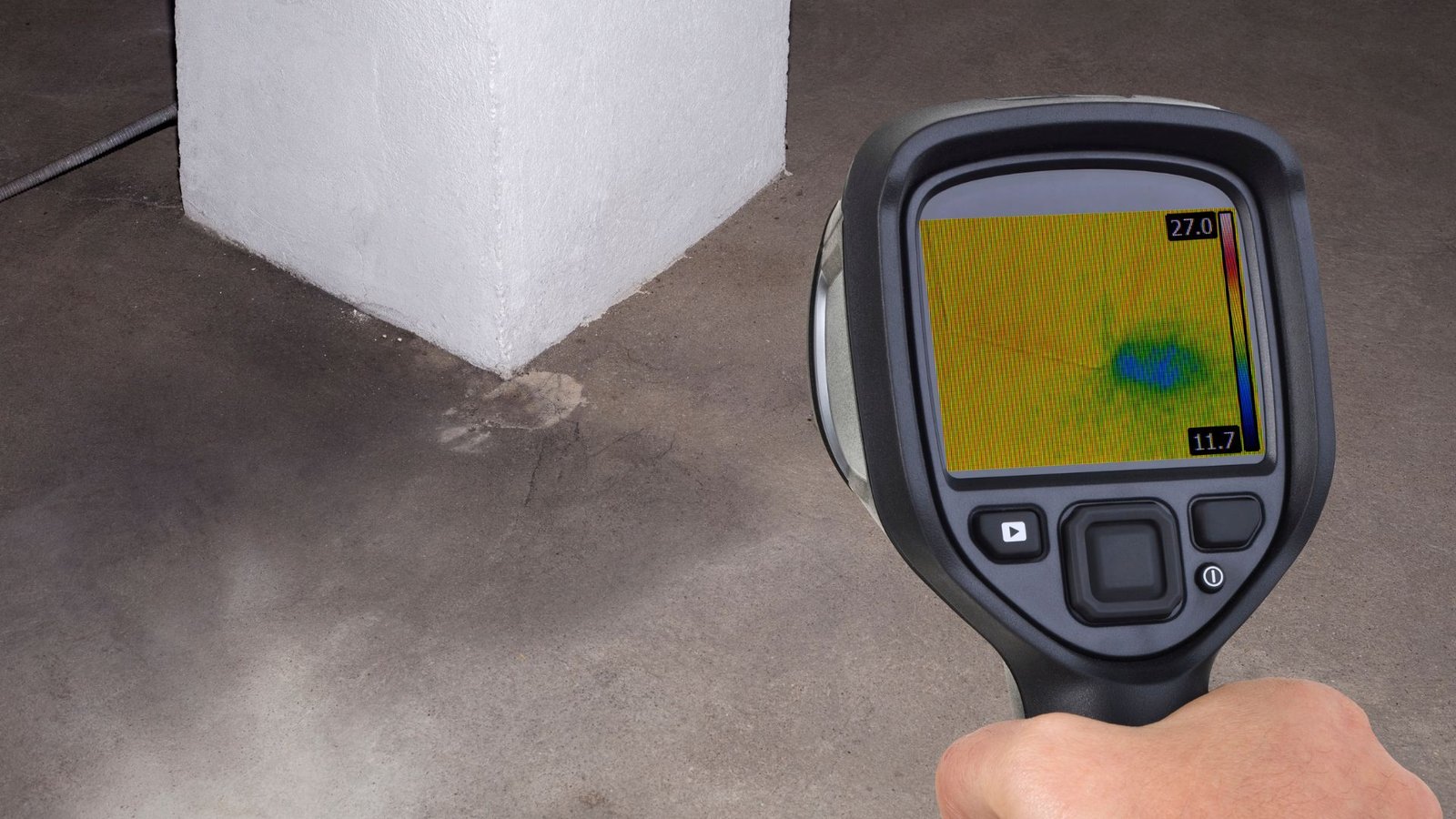
Specialized tools such as moisture meters, thermal imaging cameras, and hygrometers are used to detect moisture hidden behind walls, under flooring, and within ceilings. This ensures that no affected area is overlooked.
3. Evaluating Health and Safety Risks
Standing water or soaked materials can lead to hazardous conditions, such as:
- Mold spores in the air
- Electrical shorts or fire hazards
- Weak or collapsing structures
By identifying these risks early, property owners can take steps to keep their homes and families safe.
4. Determining the Restoration Strategy
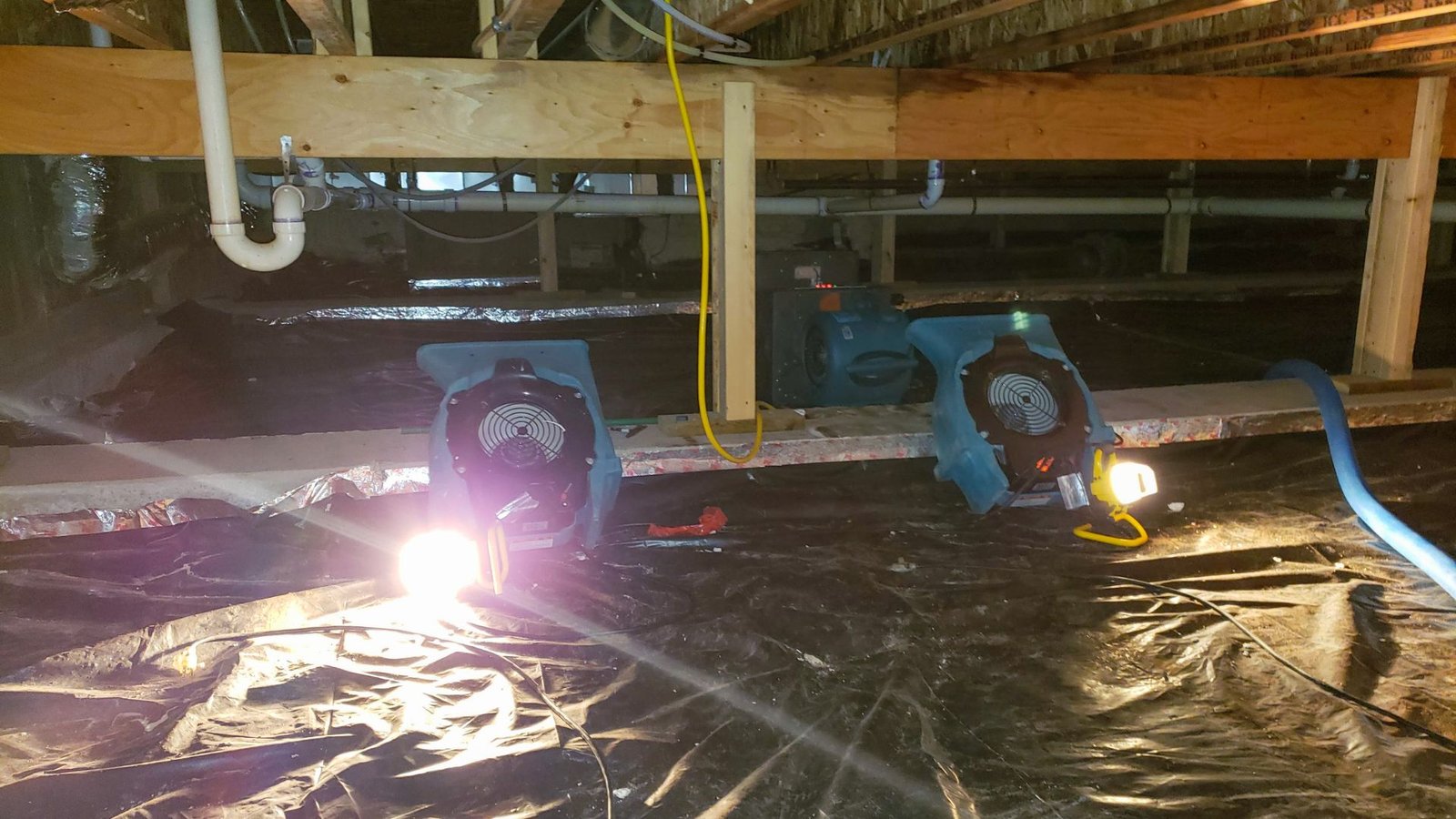
Once the scope of damage is clear, restoration professionals can recommend the most effective steps for drying, cleaning, and repairing your property. This could involve drying equipment, dehumidification, mold remediation, or structural repairs.
Benefits of a Professional Water Damage Assessment
Investing in a professional assessment provides several long-term benefits, including:
Preventing Mold Infestations
Mold can begin growing in as little as 24–48 hours after water exposure. An assessment helps pinpoint high-risk areas so they can be dried and treated immediately.
Reducing Long-Term Repair Costs
By addressing hidden damage early, you avoid the escalating costs of structural repairs, mold removal, or electrical rewiring down the road.
Protecting Your Property’s Value
Unchecked water damage can significantly lower property value. A detailed assessment ensures proper restoration and preserves the integrity of your home or business.
Ensuring Complete Restoration
Without a thorough inspection, you may think the problem is resolved when moisture still lingers. A professional assessment provides peace of mind that nothing is left untreated.
Common Scenarios Where a Water Damage Assessment is Critical
Water damage assessments aren’t just for major floods. They are essential in a wide variety of situations, including:
- Plumbing leaks under sinks, behind walls, or in crawl spaces.
- Roof leaks that allow water to seep into attic insulation or ceilings.
- Appliance malfunctions, such as dishwashers or washing machines overflowing.
- Basement flooding caused by heavy rainfall or poor drainage.
- Storm damage that compromises roofing, siding, or windows.
Even minor incidents can have long-lasting effects if not professionally inspected.
How to Act Quickly When Water Damage Occurs
Time is critical when dealing with water damage. The sooner you act, the less severe the consequences. Here are key steps to take:
- Stop the source of water if possible (shut off the main water line or contain the leak).
- Contact a professional for a water damage assessment.
- Avoid electrical hazards by keeping away from standing water if outlets or wiring may be affected.
- Don’t attempt full cleanup alone – professional drying equipment and techniques are necessary to reach hidden areas.
Protecting Your Home or Business
A water damage assessment isn’t just about fixing today’s problem—it’s about preventing tomorrow’s. By uncovering hidden damage and addressing risks early, you can safeguard your property’s structure, health, and value.
If your property has experienced water intrusion, don’t wait until problems escalate. Take the first step toward protecting your investment and restoring your peace of mind.
Take Action Today
Whether you’ve noticed water stains, leaks, or unexpected flooding, a professional water damage assessment can make all the difference in your recovery process. Our experienced team is here to help you identify the full scope of damage and recommend the best restoration strategy for your property.
Learn more about our water damage assessment services or contact us today to schedule an inspection.
Final Thoughts
Water damage is not something to underestimate. What may look like a minor issue can quickly spiral into a costly disaster if left unchecked. A professional water damage assessment ensures that every area of concern is identified and addressed, helping you protect your property for the long term.