When water invades your home—burst pipes, flooding, storm damage—the immediate concern is obvious: get the water out. But what happens after emergency water removal is just as important. A proper water damage assessment ensures that unseen damage is uncovered, hazards are managed, and your home is restored safely and effectively.
What Is Emergency Water Removal?
Before we dive into assessments, let’s clarify what emergency water removal involves:
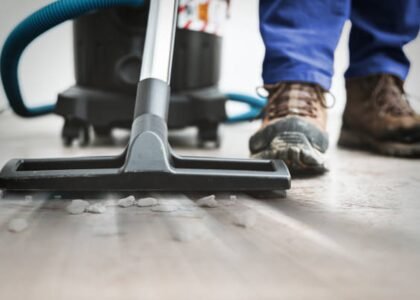
- Removing standing water using pumps or extraction units
- Rapid response to prevent further structural damage
- Minimizing immediate risk to property and occupants
Your first port of call might be the Emergency Water Removal service. That gets rid of what you see. But water creeps into what you don’t see—behind walls, under floors, into insulation.
What a Water Damage Assessment Includes
A water damage assessment is a detailed inspection of a property after the water has been removed or partially removed. Key components:
- Visual Inspection
- Check walls, floors, ceilings for stains or discoloration
- Look for swelling, warping, or peeling
- Moisture Detection
- Use moisture meters to measure hidden moisture
- Infrared or thermal imaging to see where moisture is trapped
- Structural Check
- Inspect structural elements, joists, beams for damage
- Look at load-bearing walls and supports
- Material Evaluation
- Assess what materials (drywall, insulation, wood flooring) may need removal or replacement
- Identify salvageable vs non-salvageable items
- Hazard Identification
- Mold growth risk
- Electrical hazards if wiring has been exposed
- Potential for odors or contamination
- Documenting Damage
- Photos, moisture readings, diagrams
- A written report to guide restoration work
Why You Can’t Skip the Assessment
Why go through this extra step? Because without it, problems can fester:
- Hidden moisture can lead to mold, which develops quickly
- Structural damage might weaken load paths or supports
- Health risks increase with mold, mildew, or contaminated water
- Restoration efforts might miss damaged materials, leading to wasted time and cost
Getting a thorough assessment can help you plan restoration more completely and avoid recurring issues.
How It Relates to Emergency Water Removal
- After emergency water removal, water damage assessment picks up the slack: what the removal left behind
- Assessment determines how much drying is needed and where
- It informs restoration decisions (what stays, what goes)
If you haven’t yet arranged emergency water removal, click here: Emergency Water Removal.
Steps to Take During a Water Damage Assessment
Here’s what homeowners should expect / do during a professional assessment:
- Be ready to show the source (burst pipe, leak, storm damage)
- Allow the assessor access to all affected areas—attic, basement, walls
- Take photos yourself, in case insurance or further work requires documentation
- Ask the assessor about their findings—where moisture remains, what materials are impacted
How to Choose the Right Assessment Partner
While avoiding mention of guarantees or licensing, focus on qualities like:
- Experience in identifying hidden water damage
- Use of modern moisture detection tools
- Good communication—clear explanations and reports
- Transparent about what can be restored vs what must be removed
If you want help assessing water damage, you can reach out via our Contact Us page.
What Happens After the Assessment
Once the assessment is complete, the restoration process typically proceeds in phases:
- Recommend removal of compromised materials
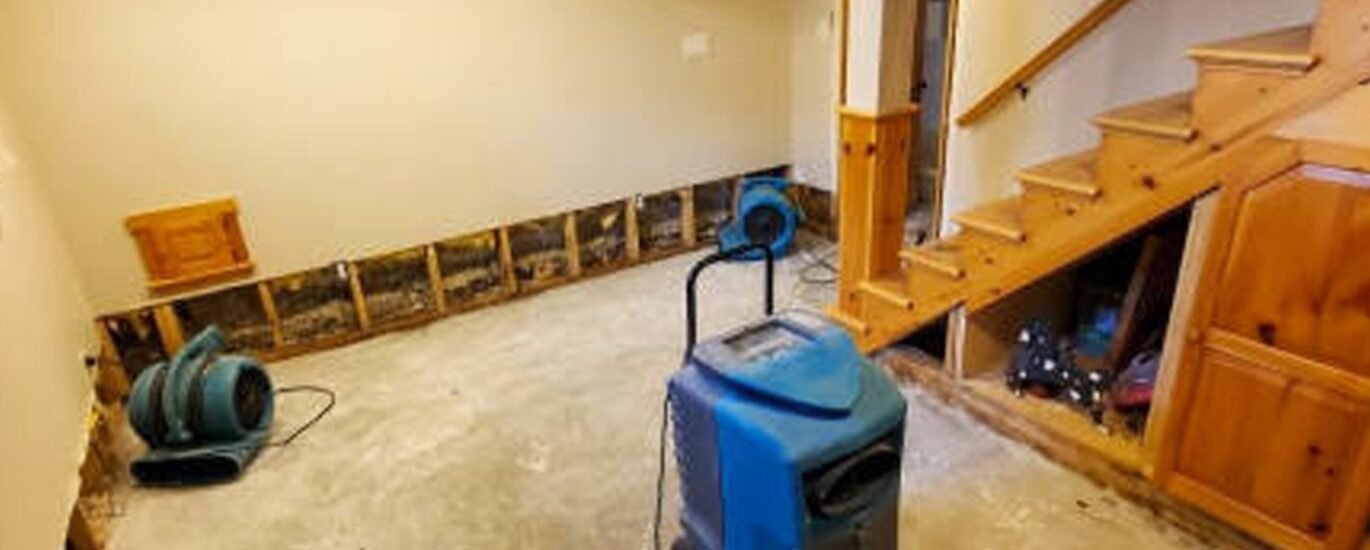
- Drying and dehumidification of all affected zones
- Cleaning, sanitizing affected areas
- Repairs, replacements, finishing work
Each of these depends heavily on the findings of the damage assessment.
When to Call for Help
You should definitely seek professional assessment if:
- You have standing water still soaked into walls or floors
- Moisture is visible but you can’t see where it’s coming from
- Musty odors persist after water removal
- Paint, wallpaper, or flooring is warping or peeling
Contact us any time via Contact Us if you suspect lingering water damage.
Conclusion
Skipping the water damage assessment might look like saving time—but down the line it could cost more in damage, health risks, and restoration work. Once you’ve handled the emergency water removal, a full assessment shines a light on hidden risks, gives you clarity for restoration, and ensures your home is safe, dry, and sound.
If you’ve just had water removed—or if you suspect there’s more to the damage—reach out now so you can start with the right plan.
Related Posts You Might Like
- How to Detect Hidden Water Damage Early
- The Role of Drying & Dehumidification in Water Damage Recovery
- What to Expect During Full Restoration