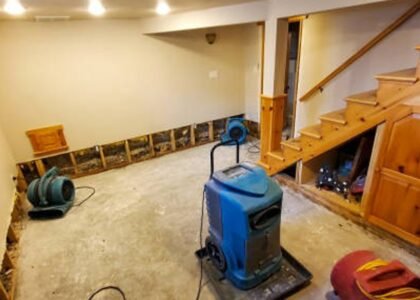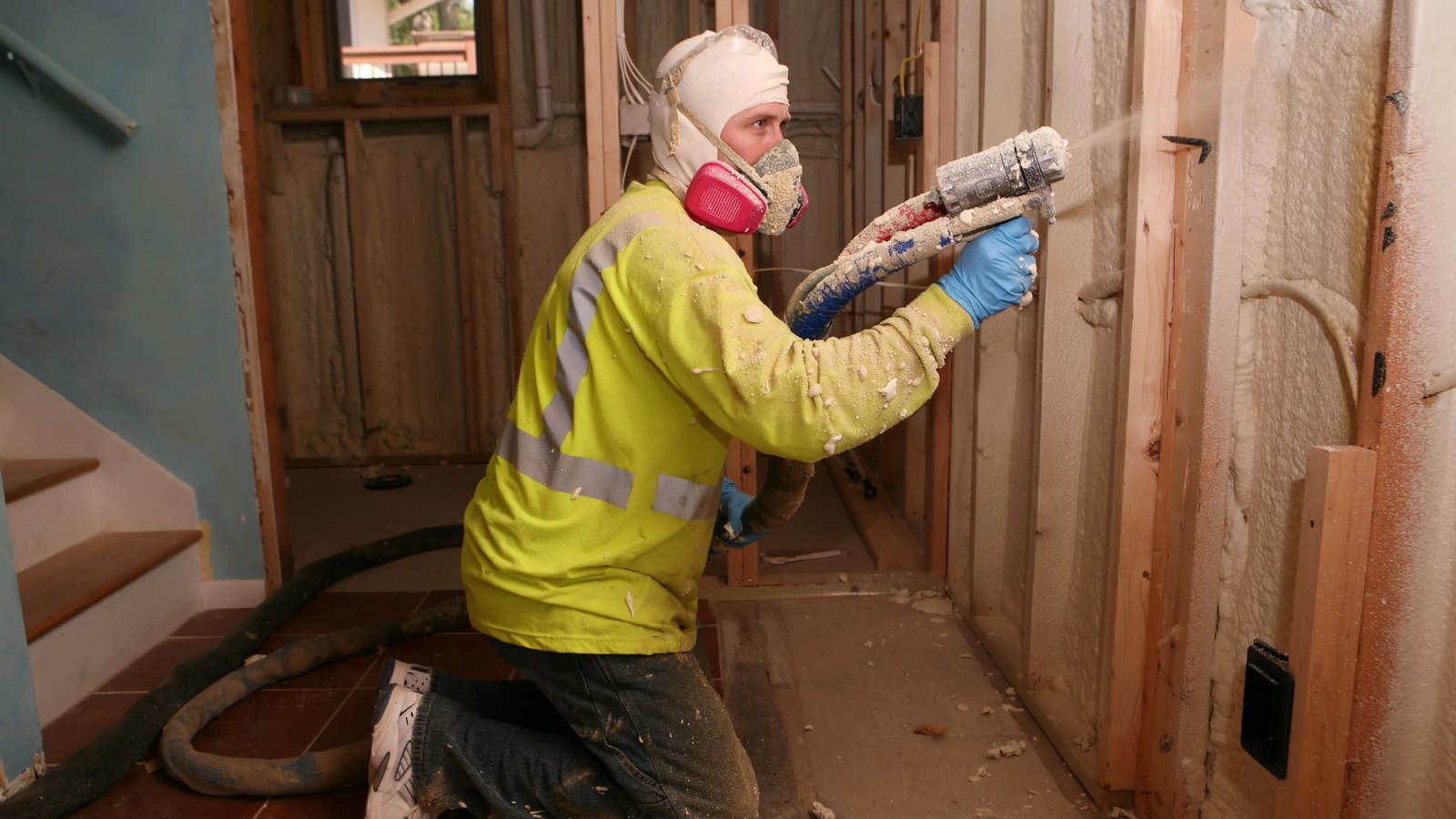
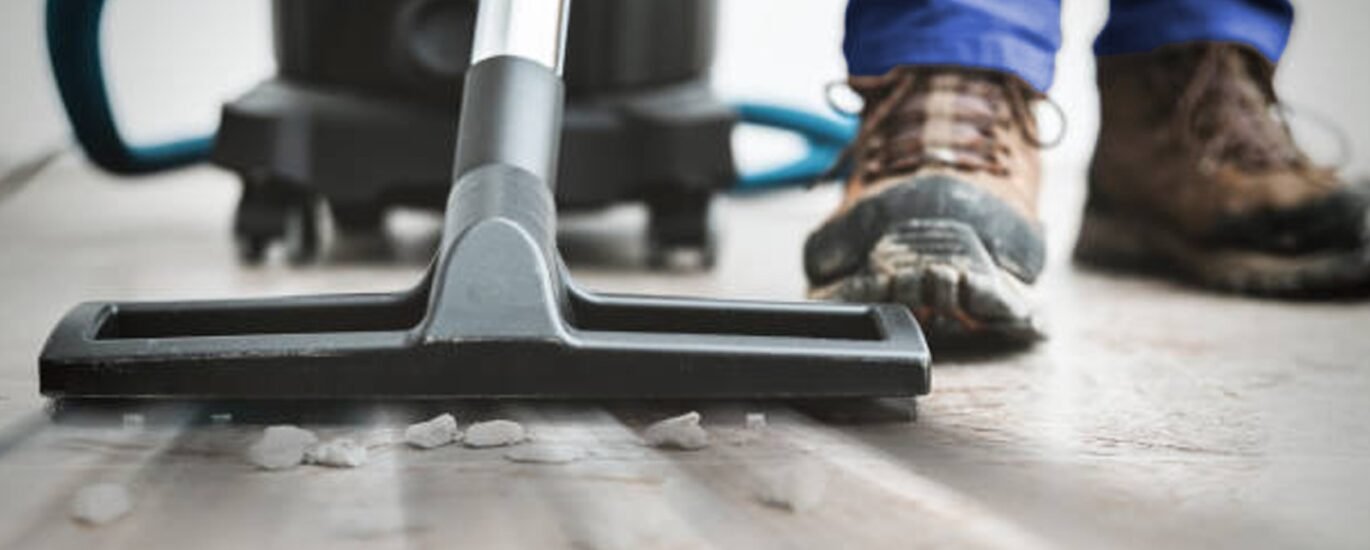
You’ve finished emergency water removal and had a water damage assessment done. Now you have a report. What does it mean, and how can you use it to restore your property safely and efficiently? Let’s walk through how to interpret, plan, and act on assessment findings.
Components of a Water Damage Assessment Report
A solid report typically contains:
- Source and cause – where water entered (leak, flood, appliance overflow, etc.)
- Extent of damage – what areas are impacted; visible + hidden damage
- Materials affected – drywall, insulation, flooring, structural framing, etc.
- Levels of moisture – readings from moisture meters/hygrometers
- Risk areas – mold, structural weakness, electrical hazards
- Recommended remediation steps – what needs removal, drying, cleanup
How to Interpret Key Findings
Here’s how to make sense of what the report says:
| Report Section | What to Look For | Why It Matters |
|---|---|---|
| Moisture Readings | Readings far above normal (dry baseline) indicate lingering dampness | Will guide drying and prevent mold |
| Affected Materials | Porous materials (insulation, carpet padding) vs non-porous (tile, concrete) | Porous often need removal, non-porous can be cleaned/dried |
| Hidden Damage Zones | Walls, ceilings, crawlspaces, behind cabinets | These are often where trouble lingers |
| Risk Factors | Mold, structural damage, electrical wiring exposure | Helps you prioritize safety |
Planning Restoration Based on the Assessment
Once you understand the findings, you can plan the restoration:
- Scope of Removal
Remove saturated or unsalvageable materials first. - Drying and Dehumidification
Use appropriate equipment; monitor humidity levels; ensure airflow. - Cleaning & Sanitization
Especially where water was contaminated or if mold is present. - Repairs & Replacement
Replace drywall, insulation, flooring, etc. Use best materials suited to resist future water damage. - Post-Assessment Verification
After drying, inspect again to ensure moisture levels are safe.
Using Assessment for Cost & Time Estimates
A good report gives you benchmarks:
- Time to complete work: based on severity and area affected
- Budgeting materials: what needs replacing vs restoring
- Scheduling: which phases must occur in sequence
While we don’t offer flat guarantees here, a careful assessment lets you make realistic plans.
Common Restoration Pitfalls & How Assessment Helps Avoid Them
| Problem | How Assessment Helps |
|---|---|
| Mold growing after restoration | Assessment flags moisture zones early |
| Restored surface still damp / warped later | Moisture readings tell if drying is complete |
| Wasting money replacing materials that could be saved | Materials evaluation helps save salvageable parts |
| Health risks from overlooked electrical or structural damage | Risk identification prevents dangerous oversights |
How Emergency Water Removal and Assessment Work Together
- Emergency water removal deals with the immediate threat—standing water and potential ongoing leakage.
- Then the assessment picks up where removal ends—identifying what’s left behind, how severe it is, where the hidden damage is.
If you need emergency water removal, that service is here: Emergency Water Removal. Once that’s done (or while it’s in progress), the assessment report becomes the framework for your full restoration.
When to Share the Report
You’ll want to share the assessment report with:
- Restoration contractors, so everyone works from the same plan
- Insurance providers, if applicable
- Any experts (mold remediation, structural engineers) who may be needed
Clear documentation speeds things up and helps avoid miscommunications.
Taking Action: What You Can Do Immediately
While waiting for restoration work or scheduling contractors, consider these steps:
- Increase ventilation in affected areas
- Use fans, dehumidifiers if available
- Remove or elevate furniture or belongings off wet floors
- Avoid walking on wet flooring to reduce damage
- Close off untouched rooms to prevent cross-contamination
All of this helps while you act on the recommendation of the assessment report.
How We Help With Assessment + Restoration
We combine emergency water removal and thorough assessment to ensure your property is fully restored. Our approach:
- Rapid water removal when you call our Emergency Water Removal
- Full water damage assessment using advanced moisture detection
- Clear, actionable reports
- Restoration advice and planning
If you need a report, or want to understand what your current damage means, feel free to Contact Us.
Conclusion
Your assessment report is more than just a document—it’s your roadmap back to a safe, dry, healthy property. You can use it to plan wisely, restore fully, avoid hidden damage, and manage costs. Know what to look for, follow the recommendations, and don’t ignore what you can’t see.
If you’re ready for full clarity on water damage in your property, or just need emergency water removed now, start with our services: Emergency Water Removal & Contact Us.