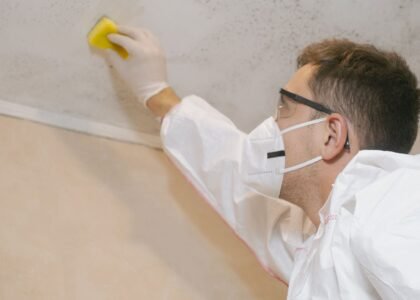

Mold is more than just an unsightly nuisance in your home. It can pose serious health risks and cause structural damage if not addressed promptly. Understanding how to identify mold and its potential dangers is the first step toward a safer, healthier living environment.
What is Mold?
Mold is a type of fungus that thrives in moist, humid environments. It reproduces through spores, which can float through the air and settle on surfaces. While some molds are harmless, others can cause significant health problems, particularly for those with allergies or compromised immune systems.
Common Types of Mold in Homes
- Cladosporium – Usually found on fabrics and wood, can trigger allergic reactions.
- Aspergillus – Often in damp areas like bathrooms, can affect the lungs.
- Stachybotrys (Black Mold) – Prefers cellulose-rich materials, linked to severe respiratory issues.
How to Recognize Mold in Your Home
Mold can grow in hidden places, making early detection critical. Look for these signs:
- Visible growth – Black, green, or white patches on walls, ceilings, or floors.
- Musty odor – Persistent damp smell in rooms.
- Water damage – Discoloration or warping near leaks.
- Allergy symptoms – Sneezing, coughing, or irritated eyes when indoors.
Health Risks Associated with Mold
Exposure to mold can lead to a variety of health issues:
- Respiratory problems
- Allergic reactions
- Asthma attacks
- Skin irritation
- Sinus infections
Certain populations, such as children, the elderly, or those with weakened immune systems, are more susceptible to these effects.
Why Professional Mold Remediation is Important
DIY mold removal may seem simple, but improper handling can worsen the problem by spreading spores. Professional mold remediation ensures:
- Proper identification of mold type
- Safe removal and containment
- Prevention of future growth
You can learn more about professional approaches to mold removal on our Mold Remediation page.
Steps to Prevent Mold Growth
Preventing mold starts with controlling moisture:
- Fix leaks promptly
- Use dehumidifiers in damp areas
- Ensure proper ventilation in bathrooms and kitchens
- Regularly clean and inspect potential problem areas
For assistance with mold issues, contact us today via our Contact page.