
Water damage can strike at any time, whether from a burst pipe, severe weather, or accidental flooding. When it happens, quick and effective action is essential to protect your property and prevent long-term issues. One critical process in water damage restoration is structural drying, which focuses on safely removing moisture from walls, floors, and other building materials.
In this blog, we’ll dive into what structural drying is, why it’s important, the methods used, and tips for ensuring your home or business is fully restored after water exposure.
What is Structural Drying?
Structural drying is the process of removing moisture from the structural components of a building, including:
- Walls and drywall
- Flooring and subflooring
- Ceilings
- Wooden beams and support structures
Unlike simple water removal, which may involve mopping or wet/dry vacuums, structural drying addresses the hidden water trapped inside building materials. Without proper drying, moisture can lead to:
- Mold and mildew growth
- Wood rot and structural weakening
- Warping or buckling of floors and walls
- Persistent odors
Effective structural drying is essential for preventing these long-term problems, safeguarding your property’s integrity, and protecting indoor air quality.
Signs You May Need Structural Drying
It’s not always obvious when structural drying is necessary. Here are some indicators that hidden moisture could be present:
- Peeling paint or wallpaper
- Musty odors that linger after cleaning
- Warping or buckling floors
- Damp spots or discoloration on walls or ceilings
- Condensation on windows or walls
If you notice any of these signs, it’s important to act quickly. Prolonged exposure to moisture can cause severe damage that may require expensive repairs.
Contact us immediately if you suspect structural water damage so professionals can assess and begin the drying process.
The Structural Drying Process
Structural drying is a multi-step process that combines moisture detection, extraction, and air circulation. Here’s a breakdown of how it works:
1. Inspection and Assessment
Before drying begins, professionals use specialized equipment to locate hidden moisture:
- Moisture meters measure water content in materials.
- Thermal imaging cameras reveal damp areas behind walls or under floors.
- Hygrometers monitor humidity levels throughout the space.
This assessment ensures that no hidden pockets of water are overlooked, which is crucial for effective restoration.
2. Water Extraction
Even if standing water is gone, trapped moisture inside materials needs careful extraction. Methods include:
- Industrial-grade wet/dry vacuums
- Carpet wands for deep carpet removal
- Specialized equipment to reach subfloor water
Proper extraction reduces drying time and minimizes the risk of mold growth.
3. Structural Drying Techniques
After extraction, drying begins using advanced techniques such as:
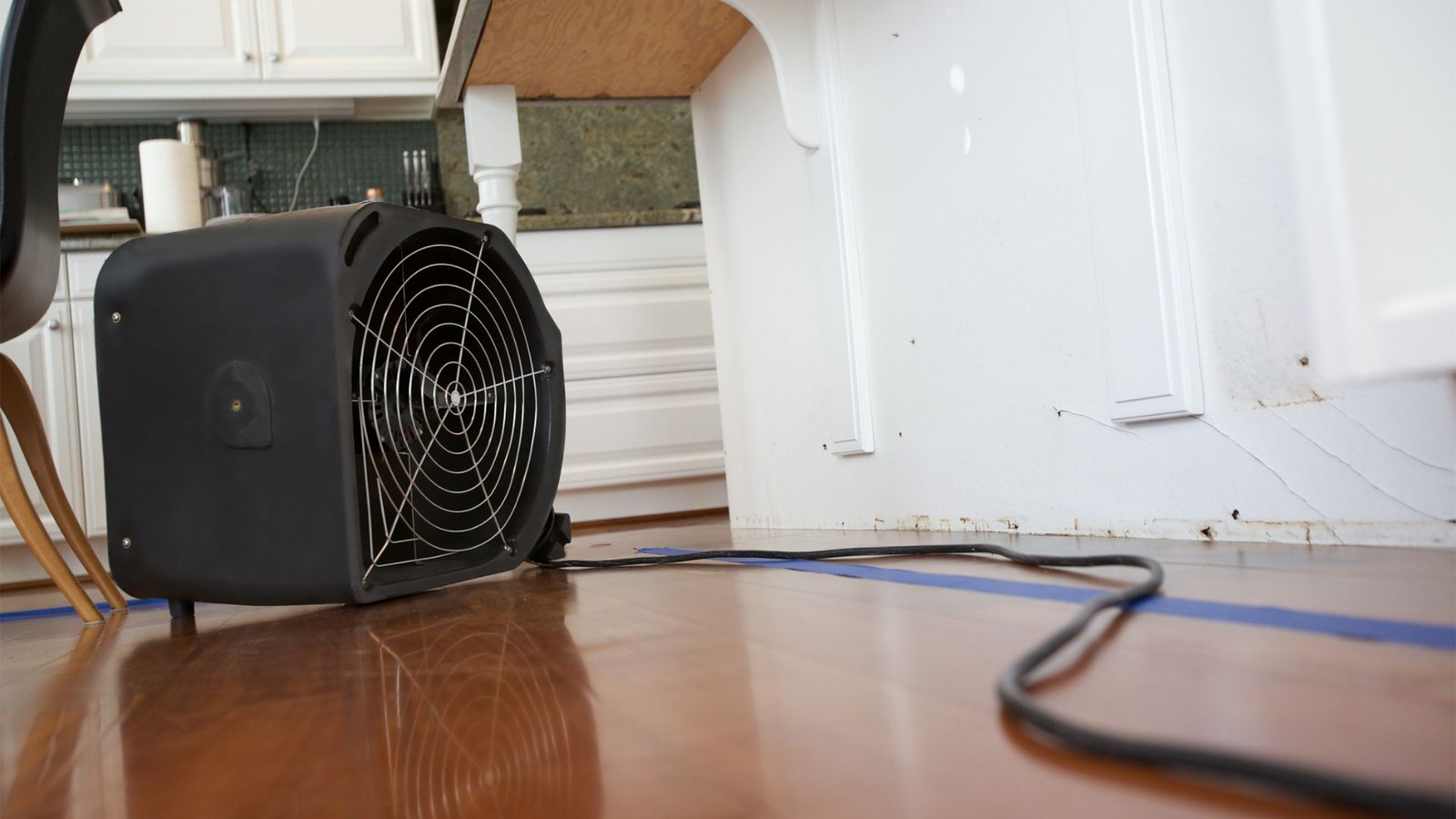
- Air movers: High-powered fans circulate air to accelerate evaporation.
- Dehumidifiers: Remove excess moisture from the air to prevent reabsorption into materials.
- Desiccant drying: Uses materials that absorb moisture for areas with high humidity or sensitive contents.
The combination of these techniques ensures thorough drying of all affected materials.
4. Monitoring and Documentation
Throughout the drying process, moisture levels are continuously monitored. This helps professionals:
- Track progress and adjust equipment as needed
- Confirm that all materials have reached safe moisture levels
- Provide documentation for insurance claims or property records
Ongoing monitoring ensures a successful restoration and reduces the risk of future water-related issues.
Benefits of Professional Structural Drying
While DIY methods might seem tempting, professional structural drying offers several key advantages:
- Comprehensive moisture removal: Professionals can detect hidden water and moisture pockets.
- Prevention of mold and rot: Early and thorough drying helps prevent long-term damage.
- Faster restoration: Advanced equipment dries materials more quickly than household fans or heaters.
- Improved indoor air quality: Reducing excess moisture limits mold spores and allergens in the air.
Investing in professional structural drying saves money and stress in the long run by protecting your property from ongoing damage.
Learn more about our structural drying services here.
Tips for Maintaining a Dry Property
Even after professional drying, it’s important to keep your property moisture-free. Here are some practical tips:
- Fix leaks promptly: Repair dripping pipes, roof leaks, or faulty appliances immediately.
- Improve ventilation: Use exhaust fans, open windows, and circulate air in humid areas.
- Monitor humidity: Maintain indoor humidity between 30-50% using dehumidifiers if necessary.
- Inspect regularly: Check for signs of water damage, especially after storms or plumbing issues.
- Protect foundations: Ensure proper drainage around your property to prevent water seepage.
Consistent maintenance helps prevent the need for future structural drying interventions.
When to Call a Professional
Even minor water damage can escalate if not addressed properly. Consider contacting a professional if:
- Water has soaked into walls, floors, or ceilings
- Moisture lingers after initial cleanup
- You notice mold growth or musty odors
- You’re unsure about the extent of hidden water
Professional structural drying ensures that your property is safe, dry, and ready for normal use.
Reach out today for expert help with structural drying and water damage restoration.
Conclusion
Structural drying is a vital step in restoring your property after water damage. By removing hidden moisture from walls, floors, and ceilings, it prevents long-term damage, improves indoor air quality, and protects your investment.
Early detection, professional drying, and ongoing maintenance are key to keeping your property safe and dry. If you suspect water damage, act quickly to avoid costly repairs down the road.
Remember, structural drying is more than just removing standing water—it’s about safeguarding your property’s structure and your peace of mind.
Learn more about our structural drying services or contact us today to schedule an assessment.
