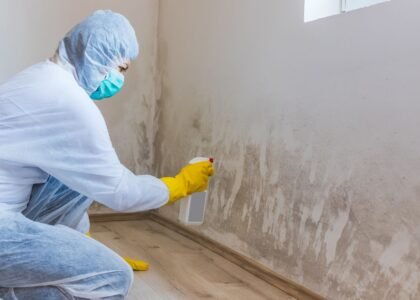

After mold has been removed, preventing its return is crucial. Effective long-term prevention strategies keep your home healthy and your family safe.
Identify High-Risk Areas
Some areas in the home are more prone to mold growth:
- Bathrooms and kitchens
- Basements and crawl spaces
- Areas around leaky windows or roofs
- Behind appliances that generate moisture
Regular inspections can catch issues before they become serious.
Control Moisture Levels
Moisture is the primary driver of mold growth. Key steps include:
- Fix leaks immediately
- Use exhaust fans in bathrooms and kitchens
- Install a dehumidifier in damp areas
- Maintain proper drainage around your home
Maintain Proper Ventilation
Good airflow reduces humidity and prevents stagnant air where mold thrives:
- Open windows when possible
- Use ceiling fans or air circulation systems
- Ensure HVAC systems are clean and functional
Clean Regularly
Routine cleaning reduces the chance of mold spores taking hold:
- Wipe down wet surfaces
- Use mold-resistant cleaning products
- Check behind appliances and furniture
Monitor and Act Quickly
Even with prevention, mold can still appear. Stay vigilant:
- Watch for musty odors
- Inspect walls, ceilings, and floors
- Address any water damage promptly
If you notice mold returning, professional remediation can help. Learn more on our Mold Remediation page and contact us through our Contact page for support.
Conclusion
Mold prevention is an ongoing effort. By controlling moisture, maintaining airflow, and regularly inspecting your home, you can protect your property and your health. Staying proactive ensures that your home remains a safe, comfortable place for years to come.