You might clean up visible water, mop floors, and dry out rugs—but what about the damage you can’t see? Hidden water damage is sneaky: it creeps behind walls, under floors, through insulation. That’s where a water damage assessment becomes critical.
Why Hidden Water Damage Is Dangerous
- Moisture trapped behind drywall or flooring can cause mold in 24-48 hours
- Wooden structures warp or rot, compromising stability
- Musty odors that linger, affecting indoor air quality
- Electric systems, insulation, and support beams may be compromised
Even after emergency water removal, these hidden spots can pose long-term risks.
Common Signs of Hidden Water Damage
Here are what to look for:
| Sign | What It Means |
|---|---|
| Discolored patches on walls or ceilings | Moisture leaking above or behind surfaces |
| Warped or buckled flooring | Wood swelling from moisture absorption |
| Bubbling or peeling paint / wallpaper | Moisture trapped just under surfaces |
| Persistent odors | Mold, mildew, or stagnant water buildup |
| Elevated humidity or condensation | Water vapor still trapped inside structure |
If you spot any of these, it’s time for a full assessment.
Tools Professionals Use in Assessment
Pros use more than just their eyes and nose. Common diagnostic tools include:
- Moisture meters – measure moisture content in walls, floors, ceilings
- Thermal imaging / infrared cameras – find pockets of moisture behind materials
- Hygrometers – read room humidity levels, dew point
- Bores or probes – sample within wall cavities or insulation
- Moisture maps – visual layout of affected zones to guide drying
These tools help reveal exactly what needs attention.
When to Conduct a Water Damage Assessment
Good times to assess:
- After emergency water removal work
- Whenever there’s been a flood, pipe burst, roof leak, or appliance overflow
- If you suspect mold, even without visible signs
- After repairs—checking to make sure no moisture remains
An early assessment lets you avoid escalated damage.
Assessing After Emergency Water Removal
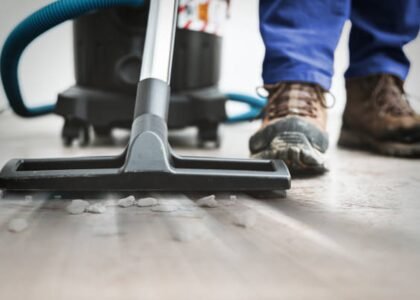
Emergency removal is vital, but on its own it doesn’t finish the job. Here’s how assessment complements removal:
- Confirms that the removal was effective
- Finds hidden moisture that extraction missed
- Helps plan full drying, sanitation, and clean-up steps
- Prevents future mold, structural weakening, or bad odors
If you’ve had emergency water removal, next step: get the assessment done right.
What Happens During an Assessment Visit
Here’s a typical flow:
- Walk-through to identify visibly affected areas
- Use moisture detection tools and inspect structural components
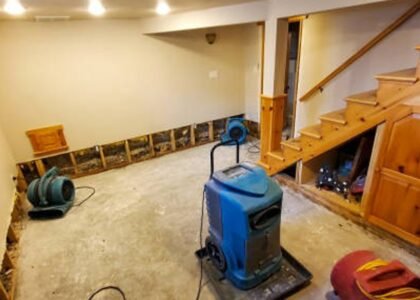
- Open wall cavities if needed to inspect insulation or wood framing
- Document everything with photos, notes, moisture readings
- Present findings and recommend restoration plan
You’ll understand where the damage is, what parts of your property are compromised, and what materials may need replacing.
How to Use Assessment Findings
Once you have the assessment, you can:
- Prioritize zones based on severity
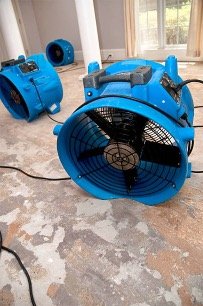
- Plan drying and dehumidification phases
- Identify which materials (drywall, wood floor, insulation) to remove vs are salvageable
- Budget effectively for restoration work
This structured approach saves time, cost, and headache.
Dealing with Mold & Health Risks
Water damage assessment often reveals areas where mold could develop, such as:
- Behind baseboards, under carpets
- Within wall cavities
- In ceiling insulation
Addressing these early helps safeguard indoor air quality and your family’s health.
How We Can Help
We provide comprehensive water damage assessment services, in conjunction with emergency water removal. If you suspect hidden damage, reach out through our Contact Us page.
Need emergency water removal first? That’s here: Emergency Water Removal. We often perform the removal and then the assessment in the same visit—making sure nothing gets overlooked.
Frequently Asked Questions
- How long does an assessment take?
Usually 1–2 hours for normal residential jobs; more for larger/commercial properties. - Will you damage walls when checking for moisture?
Not usually. Tools like moisture meters and thermal imaging do most of the work. Probing or opening walls is only done if absolutely necessary. - Does assessment include smell/humidity checks?
Yes. Odor detection and humidity readings are key to spotting hidden moisture.
Conclusion
Removing water is just the start. If you want peace of mind and complete restoration, you need a thorough water damage assessment. It lets you see what the eye can’t, plan properly, and protect your home from future damage. Getting that assessment early makes a big difference.
If you’re ready to take that step, contact us via our Contact Us page. And if emergency water removal is still needed, start here: Emergency Water Removal.