Sewage backup or flooding is one of the most unpleasant disasters a homeowner can face. Beyond the immediate mess, sewage poses serious health risks and can cause long-term damage to your property. Knowing how to handle a sewage cleanup efficiently is crucial to protect both your home and your family.
Understanding Sewage Backup
Sewage backup occurs when wastewater flows back into your home through toilets, sinks, or drains. It may be caused by:
- Blocked sewer lines
- Heavy rainfall and flooding
- Broken or aging pipes
- Tree root intrusions in sewer lines
Sewage is classified into three categories based on contamination level:
- Category 1 – Clean water from a plumbing source.
- Category 2 – Gray water with some contaminants (e.g., dishwasher or washing machine overflow).
- Category 3 – Black water, highly contaminated with pathogens, often from toilets or storm flooding.
Category 3 sewage requires immediate professional cleanup due to the health hazards it presents.
The Health Risks of Sewage Exposure
Exposure to sewage can lead to serious illnesses. Pathogens present in sewage include:
- E. coli and Salmonella
- Hepatitis A
- Parasites like Giardia and Cryptosporidium
Symptoms from exposure may range from mild gastrointestinal distress to serious infections, especially for children, elderly, and immunocompromised individuals.
Steps for Safe Sewage Cleanup
While professional help is often recommended for extensive sewage damage, you can take initial steps to minimize risk:
1. Safety First
- Wear protective clothing: gloves, boots, and face masks.
- Keep children and pets away from the affected area.
- Turn off electricity if water has reached outlets or appliances.
2. Remove Contaminated Materials
- Dispose of saturated carpets, rugs, and furniture that cannot be sanitized.
- Bag smaller debris for proper disposal.
- Clean and disinfect salvageable items carefully.
3. Dry and Ventilate
- Open windows and doors to improve airflow.
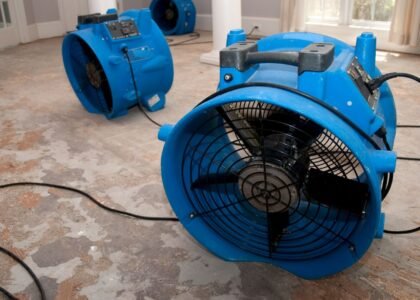
- Use fans and dehumidifiers to reduce moisture.
- Keep the area dry to prevent mold growth.
4. Disinfect
- Use EPA-approved disinfectants for areas exposed to sewage.
- Pay attention to corners, baseboards, and hidden areas.
- Re-clean after 24 hours to ensure thorough sanitation.
Preventing Future Sewage Backups
Preventative measures can help reduce the risk of sewage backups:
- Regular plumbing inspections
- Avoid flushing non-degradable items
- Install backflow valves on sewer lines
- Maintain tree roots away from underground pipes
Taking these steps ensures your home stays safe and minimizes costly repairs in the future.
When to Call Professional Sewage Cleanup Services
Professional services are essential when:
- Sewage contamination is extensive
- You encounter Category 3 water
- Mold or structural damage is present
- You lack proper equipment for cleanup
Learn more about our comprehensive sewage cleanup services to ensure your home is safe and fully restored. For urgent assistance, you can contact us immediately.